About the register
Every entry is one decision about a physical book, and the reading it produced.
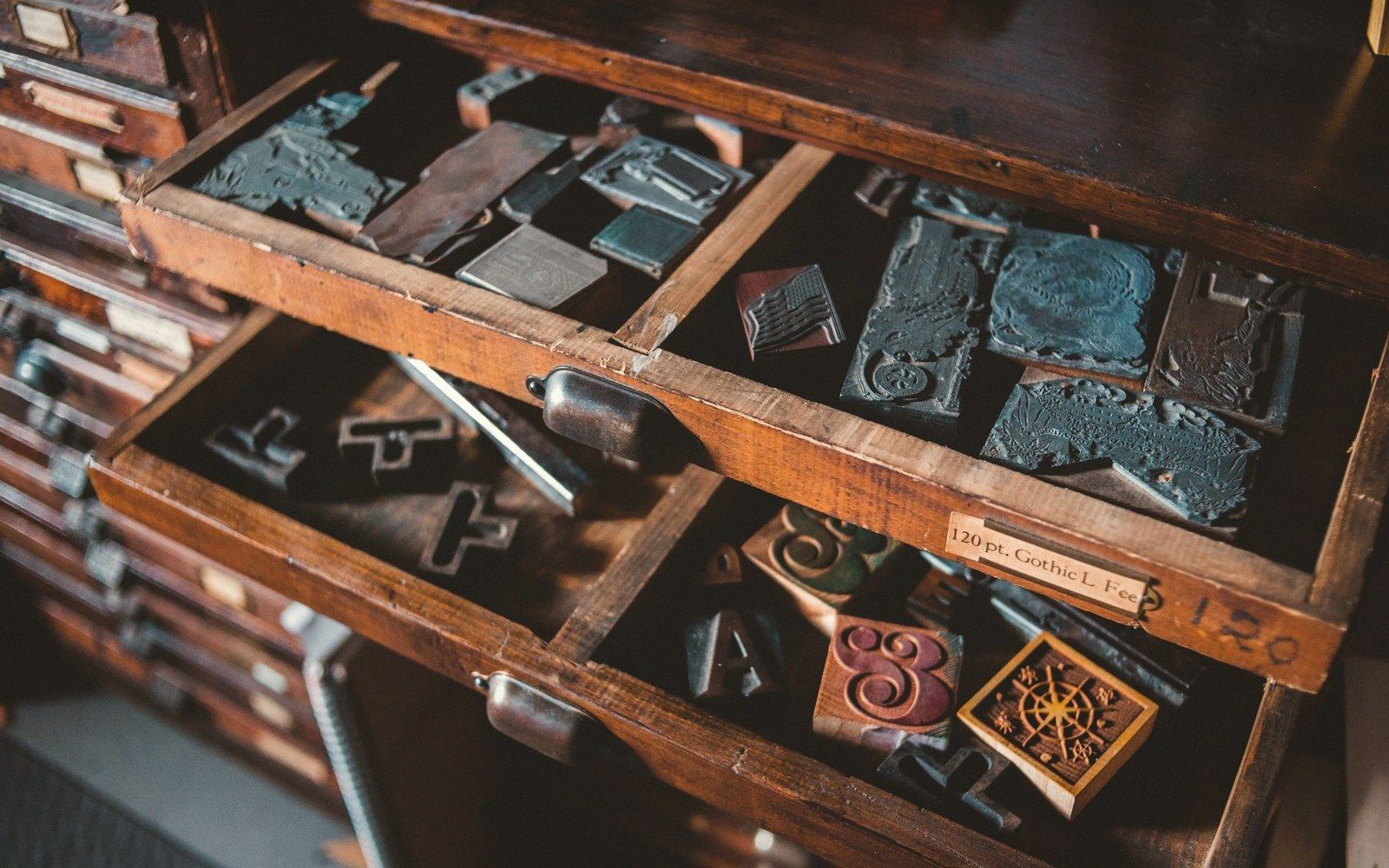
Lire & Récréer describes particular books as physical objects and explains how they came to have the shape they have — what sheet they were printed on, how it was folded, who paid for the plates, who lent the copy out, and what all of that did to the reading.
How it is filed
The register has seven sections, and every entry sits in one of them: Formats, Parts, Circulation, Price, Composition, Binding, The Page. Entries carry a signature letter, the way the gatherings of a book do, and the sheet diagram used once on the front page is the key to the whole arrangement — a sheet folded three times, its pages numbered where the folding puts them.
What it does not do
Nothing here recommends a book. A title is named in order to explain how it was made, priced, circulated or read, never to suggest that a reader would enjoy it, and there are no lists, rankings or starting points. The site carries no dates of its own: it is a reference, not a news page.
Names and pictures
The people, houses and institutions named in the entries are real and documented, and the photographs are real images of real objects, credited on the sources page. Terms of the trade are collected in the glossary of formats; the whole roster sits in the index of entries.