Parts · Entry E
Pickwick in parts
Chapman & Hall issued it in monthly shilling numbers from 1836, and serialising changed how Dickens plotted — every twentieth page needed a reason to buy the next.
- Section
- II · Parts
- Mark
- Signature E
- Filed by
- Books issued a piece at a time.
- Next
- The wrapper
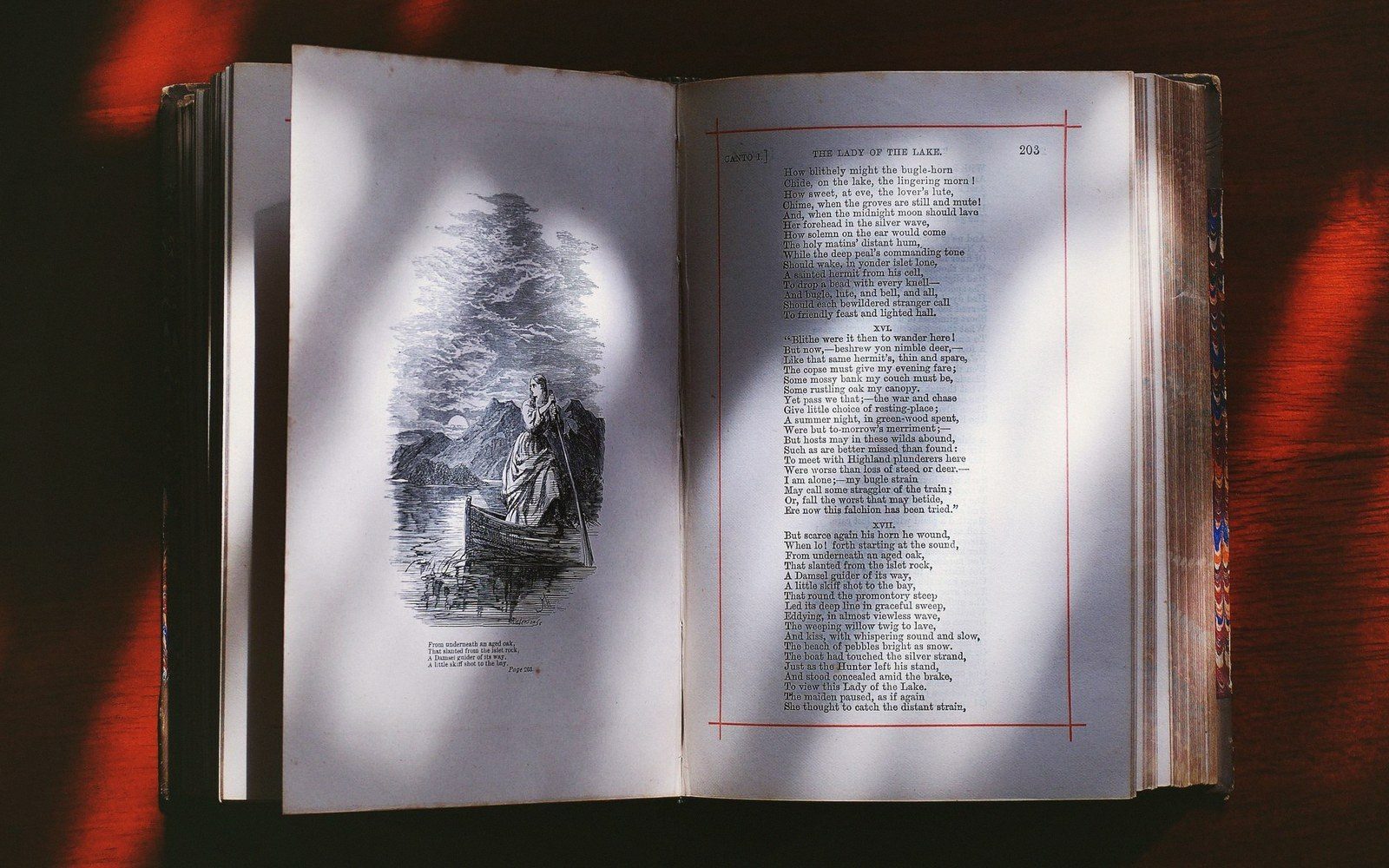 PL. E
PL. EThe monthly shilling number launched one of literature's most improbable careers — and proved that a novel could be built in instalments without a plan.
A format looking for a story
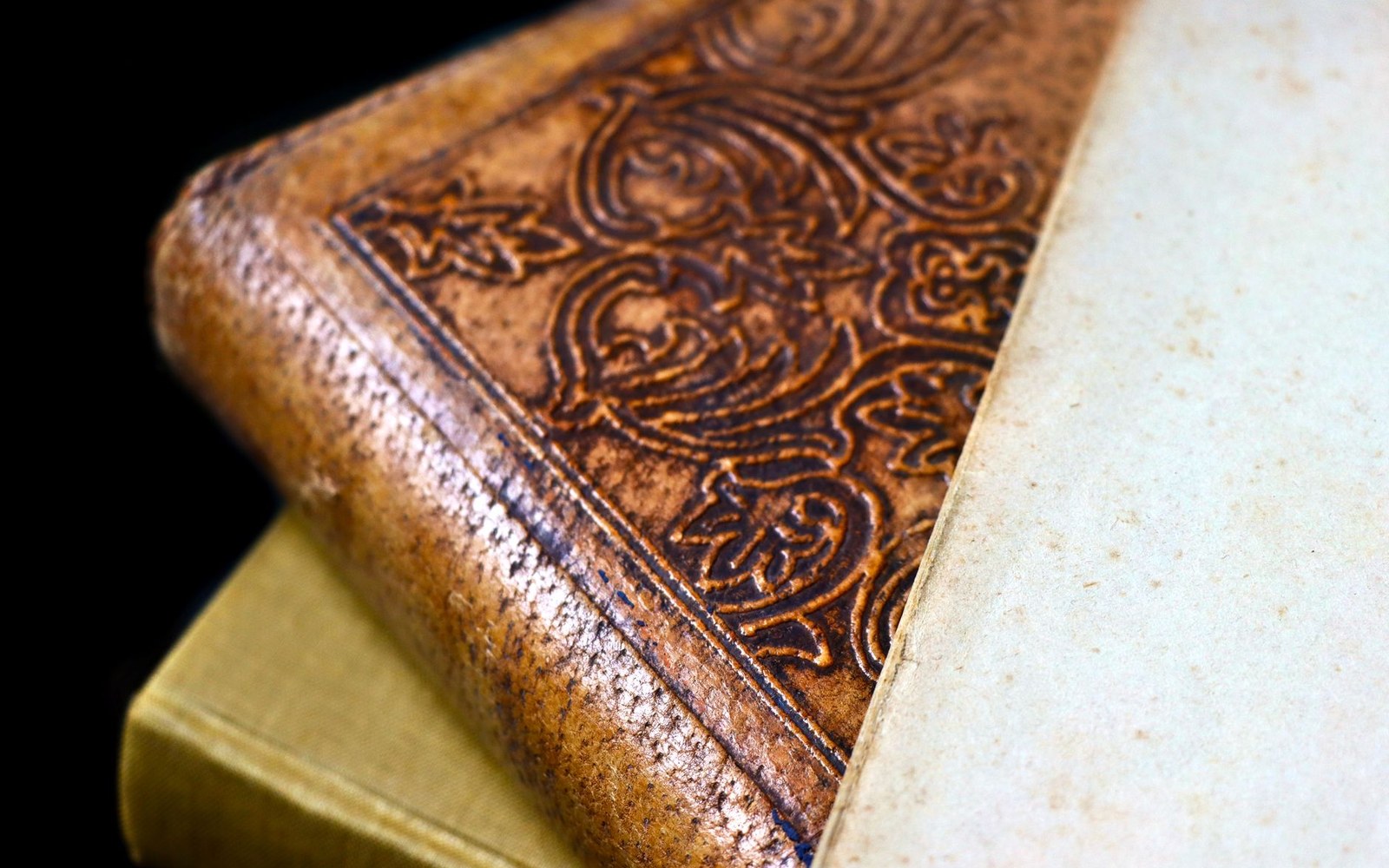
The Pickwick Papers began not as a novel but as a commission. In early 1836, the London publishers Chapman & Hall approached Charles Dickens to supply text accompanying a series of comic sporting prints by the illustrator Robert Seymour. The arrangement flipped almost immediately — Seymour died by suicide after the second number, the plates shrank to two per issue, and Dickens expanded to fill the space — but the physical format was fixed from the start: a monthly pamphlet of roughly thirty-two pages in double-column type, sold for one shilling, wrapped in green paper printed with advertisements.
That wrapper mattered as much as the prose inside. Each number was a disposable object, cheap enough for a clerk's pocket, priced at a fraction of the three-volume novel that dominated circulating libraries. Where a three-decker retailed at thirty-one shillings and sixpence and was borrowed rather than bought, a Pickwick number cost the same as a pot of beer and was kept.
By the time the twentieth and final number appeared in November 1837 — a double number sold at two shillings — the print run had risen, by contemporary accounts, to something in the tens of thousands. The exact figures are disputed; the trajectory is not.
Thirty-two pages and a cliff
The format imposed its own discipline. Each number had to close with enough momentum to make the next shilling feel inevitable — what serialisation does structurally is hold a reader in a state of mild unresolved suspense for four weeks at a time. Dickens learned this on the job, and the earlier numbers of Pickwick are looser, more episodic, less driven by consequence than the later ones. Sam Weller's arrival in the fourth number is the pivot: readers wrote to Chapman & Hall asking for more of him, and Dickens responded, building Sam's relationship with Mr Pickwick into the emotional spine the book had lacked.
Serial publication made that feedback loop possible. A three-volume novel committed its structure to print before a single reader had encountered page one; a monthly number allowed genuine revision of course.
The physical rhythm shaped reading habits in turn. A number read across an evening in April would be followed by another in May, with a month's gap for anticipation and forgetting. That gap is why Dickens — and every serialist after him — larded the opening pages of each number with recap, and why his characters are drawn with the kind of broad, repeatable traits that survive a month's absence. Mr Pickwick's innocence, Mr Jingle's staccato speech, Mrs Bardell's aggrieved gentility: these are mnemonic signatures as much as characterisation.
From the record
The object itself
- 01Monthly shilling number — roughly 32 pages, double-column type, one shilling per issue
- 02Green paper wrapper printed with advertisements; designed to be discarded once parts were bound
- 03Final number (no. 20) doubled in length and sold at two shillings
- 04Bound edition issued 1837, with a title page added retrospectively
The compositors setting each number worked from manuscript delivered close to the print date, and hot-metal composition was still decades away — Ottmar Mergenthaler's Linotype machine would not arrive until 1886. Each page of Pickwick was hand-set, letter by letter, into formes locked and pressed in Chapman & Hall's contracted printshop. The double-column layout maximised words per page and kept unit cost down; the green paper wrapper was cheap enough to be thrown away once the number was bound up, as many readers eventually bound their sets into a single volume.
Chapman & Hall issued a bound edition in 1837, essentially the parts reassembled, with a title page retrofitted to an object that had never been planned as a book.
That retrofitted wholeness is part of what Pickwick is: a commission for captions that became a novel by accumulation, in a format designed for disposability that produced one of the most reprinted texts in English. The shilling number did not survive far into the Victorian century as a dominant form, but while it lasted it gave fiction a new relationship with its audience — provisional, responsive, and paid for one instalment at a time.
From the record
Chronology
- Early 1836Chapman & Hall commission Dickens to supply text for Seymour's prints
- April 1836First number of The Pickwick Papers published
- April 1836Robert Seymour dies; format shifts, Dickens expands text
- No. 4Sam Weller introduced; reader response reshapes the book's direction
- November 1837Final double number published; bound edition follows