Circulation · Entry I
The three-decker
A distribution decision that became a literary form, and collapsed quickly once the libraries stopped buying.
- Section
- III · Circulation
- Mark
- Signature I
- Filed by
- Who actually owned the copy.
- Next
- Mudie's Select Library
 PL. I
PL. IThe format that kept Victorian fiction expensive on purpose — and vanished within a decade when the economics turned.
A Library's Preferred Instrument
The three-decker — a novel published in three separate volumes — was not a design choice so much as a distribution agreement. Its standard price of one guinea and a half (31s 6d) per set placed it far beyond the casual reader's reach. That was precisely the point. The format existed to serve the circulating libraries, above all Mudie's Select Library, which purchased in bulk at a trade discount and rented volumes out individually.
A single three-volume novel could circulate simultaneously among three different subscribers, each holding one volume while waiting impatiently for the next. Charles Edward Mudie's model turned the high price from a barrier into a machine: the more expensive and multi-volume the book, the more lending revenue it generated before the set wore out.
Publishers ratified the arrangement because Mudie's and its rivals — W. H. Smith's library was the other great force — guaranteed a predictable first sale of several hundred copies to institutional buyers. Chapman & Hall, Bentley, and others could commit to a print run against near-certain library orders rather than speculative retail sales. Authors were paid accordingly, and the system cohered around the mutual convenience of everyone except the actual reader, who paid a subscription for access rather than a price for ownership.
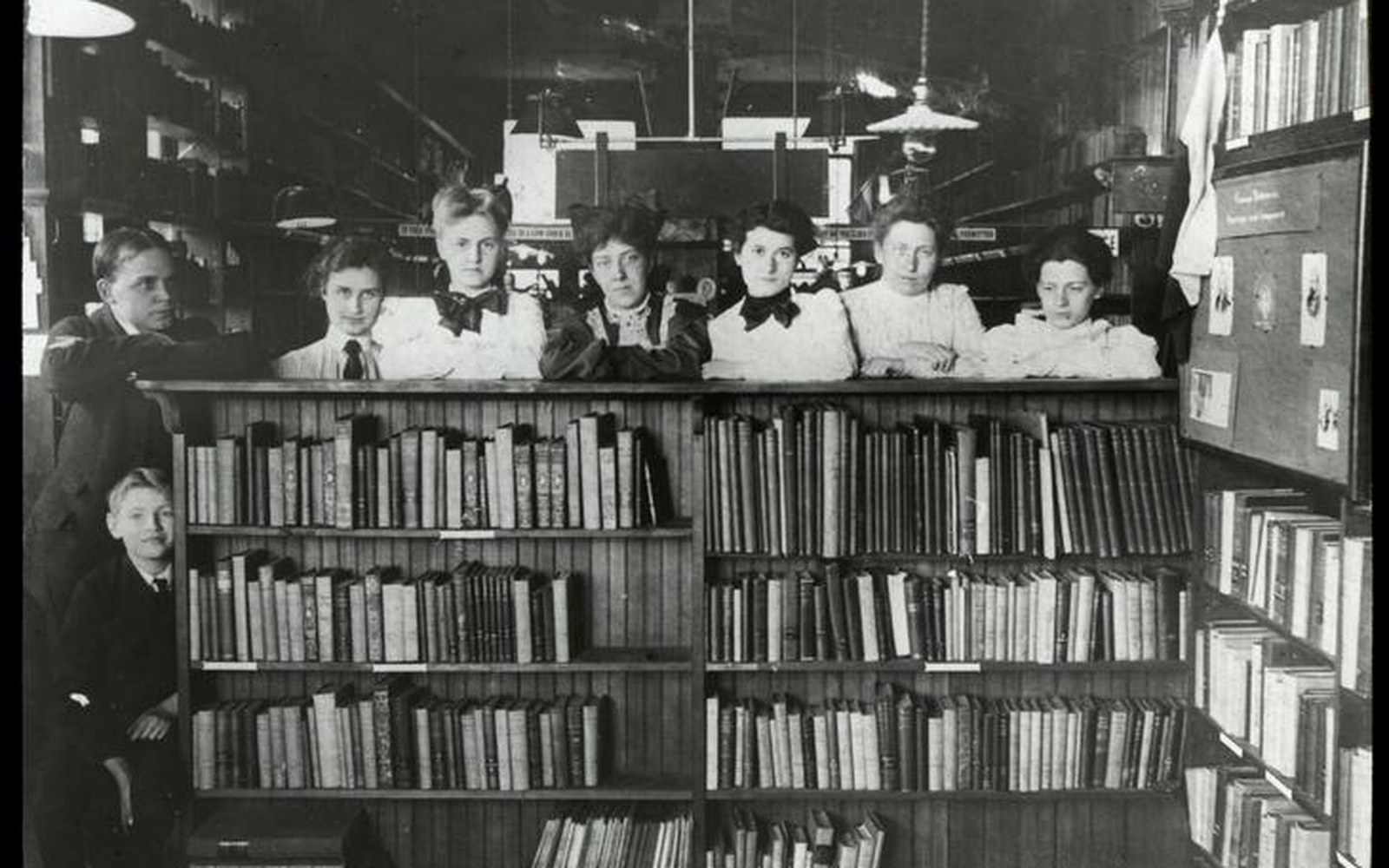
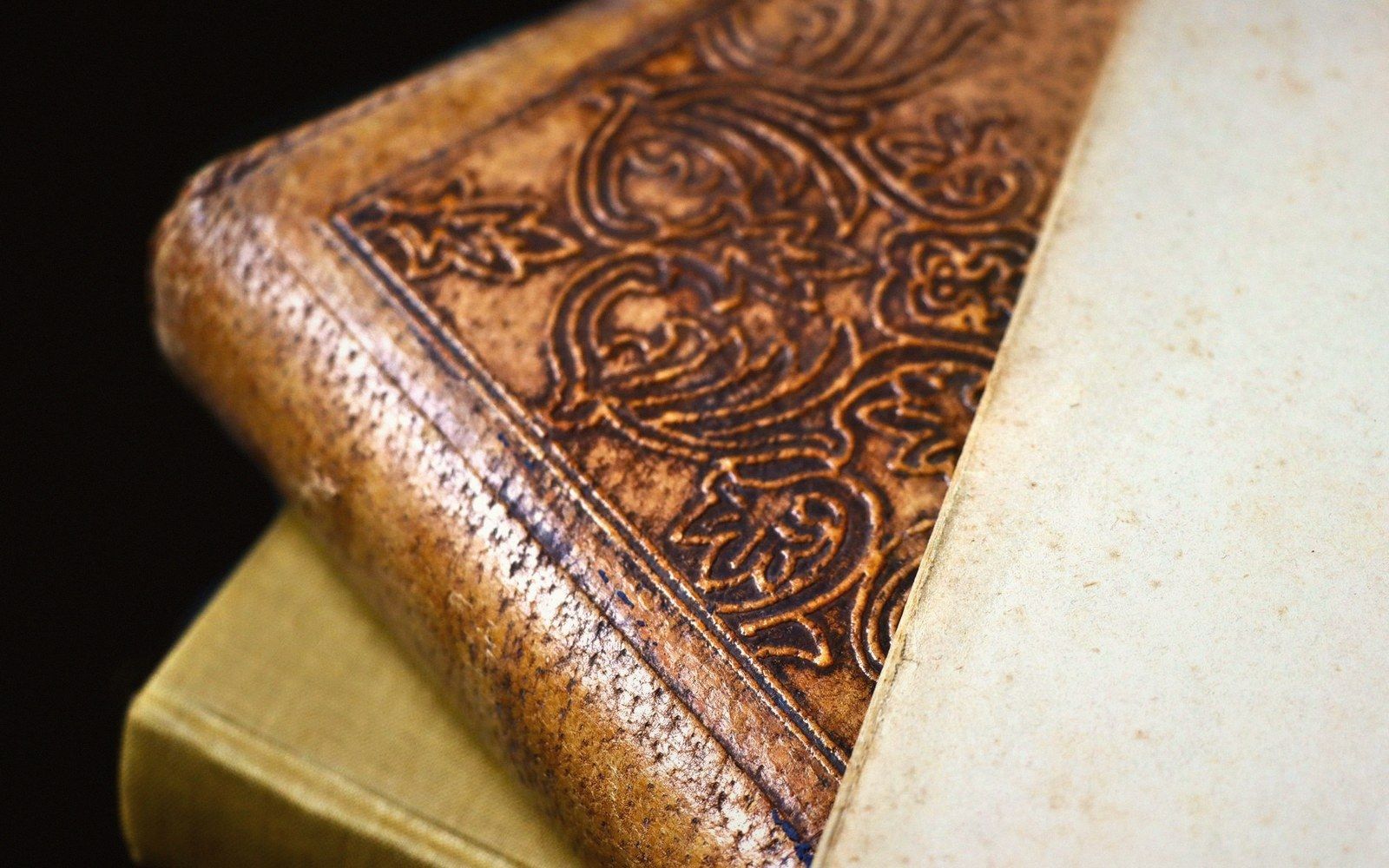
The physical books themselves reflected this economics. Three-decker volumes were typically set in a generous measure on decent paper, with wide margins and large type — not because readability demanded it, but because bulk was structural. A novel that ran to two comfortable volumes had to be stretched to three; a shorter work might be padded with half-titles, blank leaves, and chapter breaks timed to fall near the end of a volume so the next instalment began at the opening of the following one.
Compositors working for mid-Victorian fiction publishers understood the target pagination as a commercial specification.
The Collapse of 1894
The system was always precarious. It demanded that the libraries keep buying, that authors keep cooperating, and that readers keep subscribing rather than waiting for cheaper reprints. All three conditions eroded together in the early 1890s. The one-volume novel at six shillings — a format that had been possible throughout the century but commercially marginal — began to sell well enough through railway bookstalls and ordinary booksellers to break the monopoly.
From the record
How the money worked
- 31s 6d
standard retail price of a three-decker set (beyond most individual budgets)
- Library trade discount
Mudie's and W. H. Smith purchased at reduced rates, lending each volume separately
- Subscription model
readers paid annually for access, not per title; volume-by-volume lending maximised simultaneous circulation
- One-volume novel at 6s
the format that displaced it; made the three-decker commercially unviable by the early 1890s
Yellowbacks at two shillings, sold at station kiosks, demonstrated that fiction could move in volume at low prices.
In 1894 the libraries effectively issued an ultimatum: they would no longer purchase three-volume novels at the old terms. Within two years, the format was extinct as a standard publishing practice. Decades of Victorian fiction — George Eliot, Anthony Trollope, Thomas Hardy, Wilkie Collins — had been shaped by a commercial structure that disappeared almost overnight once its institutional supporter withdrew. Hardy's Jude the Obscure appeared in one volume in 1895. The transition was that abrupt.
What the three-decker leaves behind is a bibliographic ghost. When modern readers find early Victorian novels densely plotted but structurally odd — a narrative that feels resolved and then continues, or a subplot introduced very late — they are sometimes encountering the seams of the format. Volume endings had to function as partial conclusions; volume openings had to reorient a reader who might be returning after days away, holding only their one rented instalment.
From the record
Chronology
- Mid-19th centurythree-decker standard for new literary fiction from major publishers
- Early 1890scheaper single-volume fiction erodes library demand
- 1894libraries formally withdraw support for the three-volume format
- 1895Hardy's Jude the Obscure published in one volume; the transition is effectively complete
The three-decker trained novelists in a particular architecture, and the abandonment of the format left its traces in the fiction that survived it.