Circulation · Entry J
Subscription
Printing against a list of names, with the names printed in the book.
- Section
- III · Circulation
- Mark
- Signature J
- Filed by
- Who actually owned the copy.
- Next
- Mudie's Select Library
 PL. J
PL. JBefore a book was printed, its readers were often already recorded inside it.
The Promise, the List, and the Proof
Subscription publishing inverted the usual commercial logic. Instead of printing a book and hoping buyers appeared, a publisher — or more often the author directly — solicited names and deposits before the press ran. The list of subscribers was then printed, usually at the front of the volume, as both a roll of honour and a public proof that the project had earned its existence.
The mechanism was practical and social in equal measure. Practical, because it transferred financial risk from printer to public: paper, composition, and presswork cost money before a single copy was sold, and a confirmed list of two or three hundred names made the outlay defensible.

Social, because appearing in print among a book's patrons was a form of advertisement. Subscribers were gentlemen, clergy, institutions, and booksellers; seeing one's name in a folio edition of English poetry or a scientific treatise was a minor but legible mark of cultivation.
The form flourished in Britain through the seventeenth and eighteenth centuries. John Milton's Paradise Lost was first published in 1667 without subscription, but its 1688 illustrated folio edition was sold by subscription, as were many works of comparable ambition. John Dryden's translation of Virgil in 1697 carried subscriber lists; Alexander Pope's Iliad translation, issued in six volumes between 1715 and 1720, made Pope wealthy partly through the same device. The Edinburgh publisher William Creech used subscription for Robert Burns's 1787 Edinburgh edition — the list running to several hundred names and lending the volume a credibility it might not otherwise have commanded in the capital.
From the record
How the list worked
- Names printed in the book
usual position: front matter, before the text
- Multiple copies noted next to a name
a mark of patronage, not just purchase
- Institutional subscribers named in full
universities, learned societies, clubs
- Misspelled or omitted name
a social liability for the author
For large illustrated works and multi-volume reference sets, subscription remained the standard financing tool well into the nineteenth century, because no bookseller could afford to stock such things on speculation.
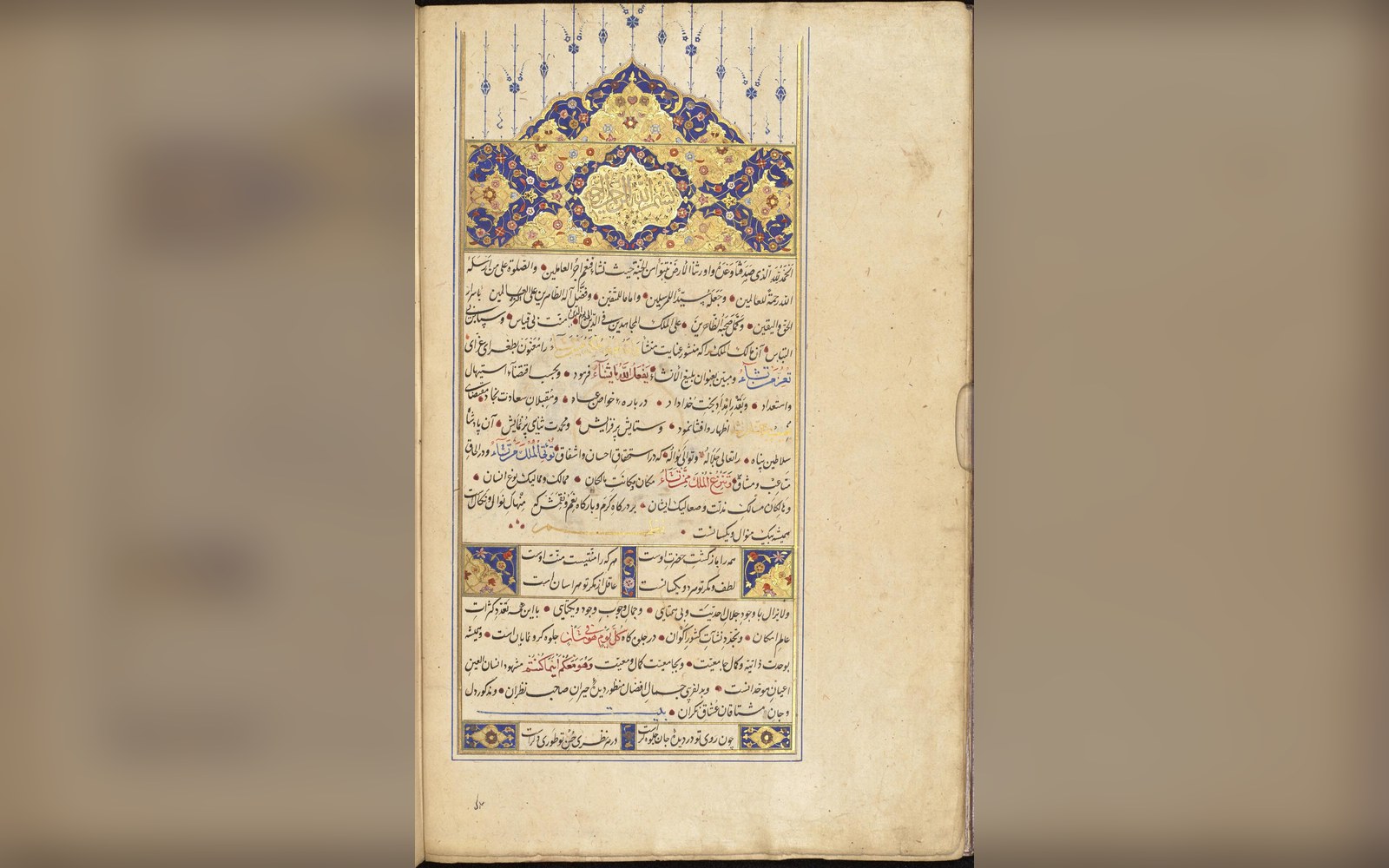
The printed list was never neutral. Some subscribers took multiple copies — noted, in parentheses, as a form of conspicuous generosity. Institutional subscribers (universities, learned societies) appeared under their full titles. The order of names was not always alphabetical; precedence crept in. The list was, in this sense, a social document as much as a commercial one, and editing it required as much tact as typesetting it.
From the record
Chronology of use
- 1690s–1720speak in English literary publishing; Dryden's Virgil (1697), Pope's Iliad (1715–20)
- 1787Burns Edinburgh edition uses subscription to reach a sceptical capital audience
- 19th centuryfades from mainstream trade; persists in county histories, illustrated atlases, private press work
A compositor setting a subscription list knew that a name wrongly spelled or inadvertently omitted could damage the author's relationships more reliably than a misprint in the text.
Subscription declined as commercial publishing infrastructure matured — as circulating libraries absorbed risk on one side and the trade sale on the other. By the mid-nineteenth century it survived mainly at the expensive margins: the folio atlas, the county history, the private press edition produced for a known audience before a single sheet was wetted.