Formats · Entry D
Yellowbacks
Bright boarded reprints sold at railway stalls to be read in one journey.
- Section
- I · Formats
- Mark
- Signature D
- Filed by
- Folio to octavo, and what the fold decides.
- Next
- The Aldine octavo
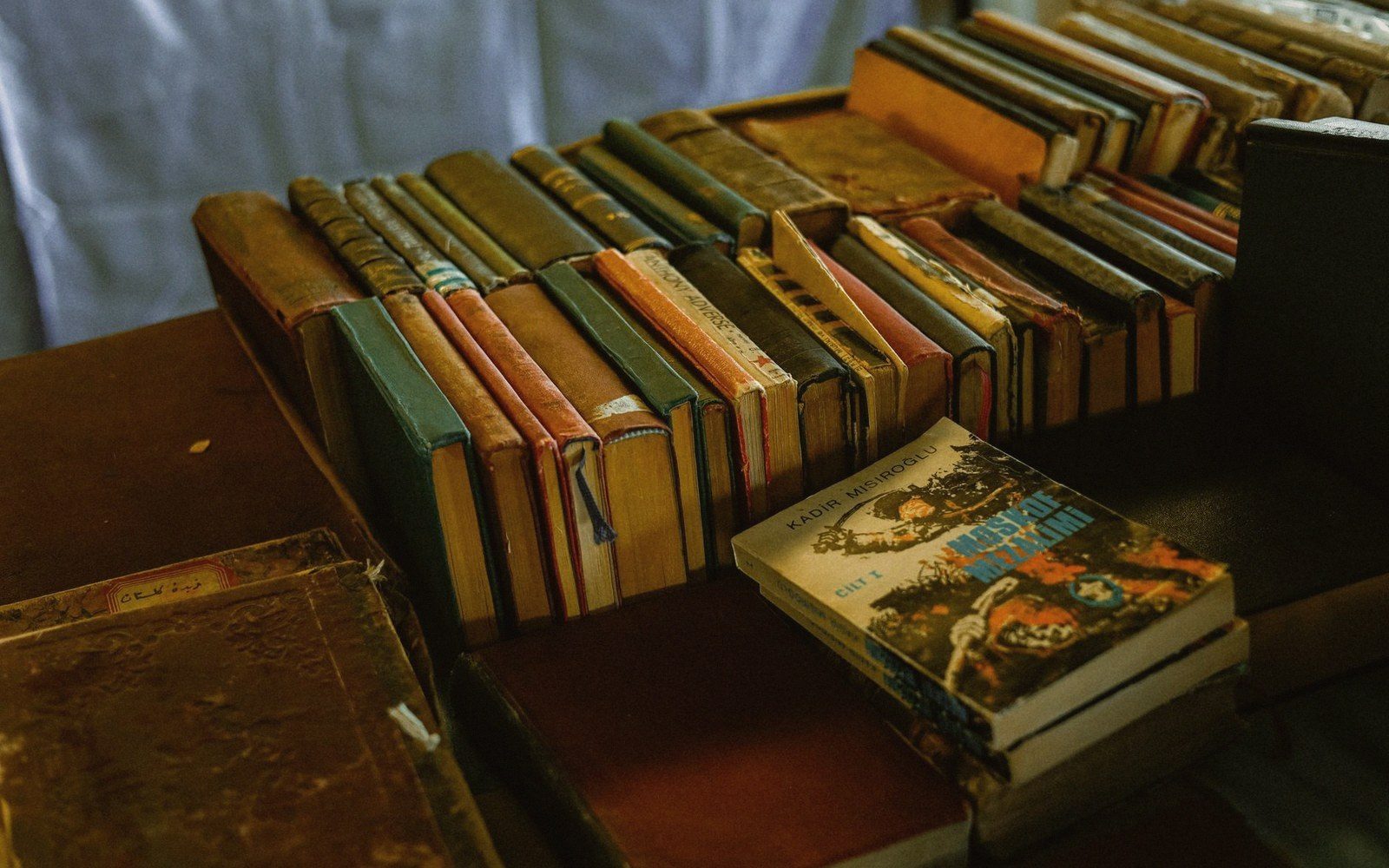 PL. D
PL. DThe cheap, cheerful railway read that made the journey feel shorter — and changed who bought fiction.
A Format Built for the Platform
By the 1850s, British railway travel had created an entirely new reading occasion: a captive hour or two with nothing to do but watch fields pass. W. H. Smith had turned this into a business, installing bookstalls at major stations from 1848 onwards, and publishers responded with a format expressly designed for a single journey — the yellowback.
The name came from the glazed yellow paper boards that gave these reprints their immediate visual identity. The covers were printed in two or three colours, usually by the engraver and printer Edmund Evans, whose talent for cheap, vivid chromolithographic illustration made yellowbacks recognisable at thirty paces down a platform. A traveller did not browse a yellowback; they spotted it. The spine design was secondary — the front cover sold the book.

Inside, the format was typically a double-column octavo, printed on cheap paper and bound without sewing. The whole object was designed to be disposable: read it, leave it on the seat, or trade it at a station stall that took returns. Price ran from one to two shillings, low enough that buying a yellowback cost considerably less than borrowing a volume from Mudie's Select Library, and no subscription was required.
The content was almost always reprint fiction — novels that had already run their course as three-deckers or in serialised numbers now stripped back and reprinted in single volumes. Collins, Braddon, and the sensation novelists of the 1860s sold well in this format; so did translations, travel writing, and comic pieces. Because the yellowback recycled existing type rather than setting new composition, it introduced minimal new cost. The publisher's risk was largely in paper, boards, and Evans's cover fee.
From the record
Key format facts
- Cover material
glazed yellow paper boards, typically two- or three-colour printed
- Binding
unbound or lightly glued, not sewn; essentially disposable construction
- Price range
one to two shillings per volume
- Standard layout
double-column octavo on cheap paper
- Primary retail channel
W. H. Smith railway bookstalls, from 1848
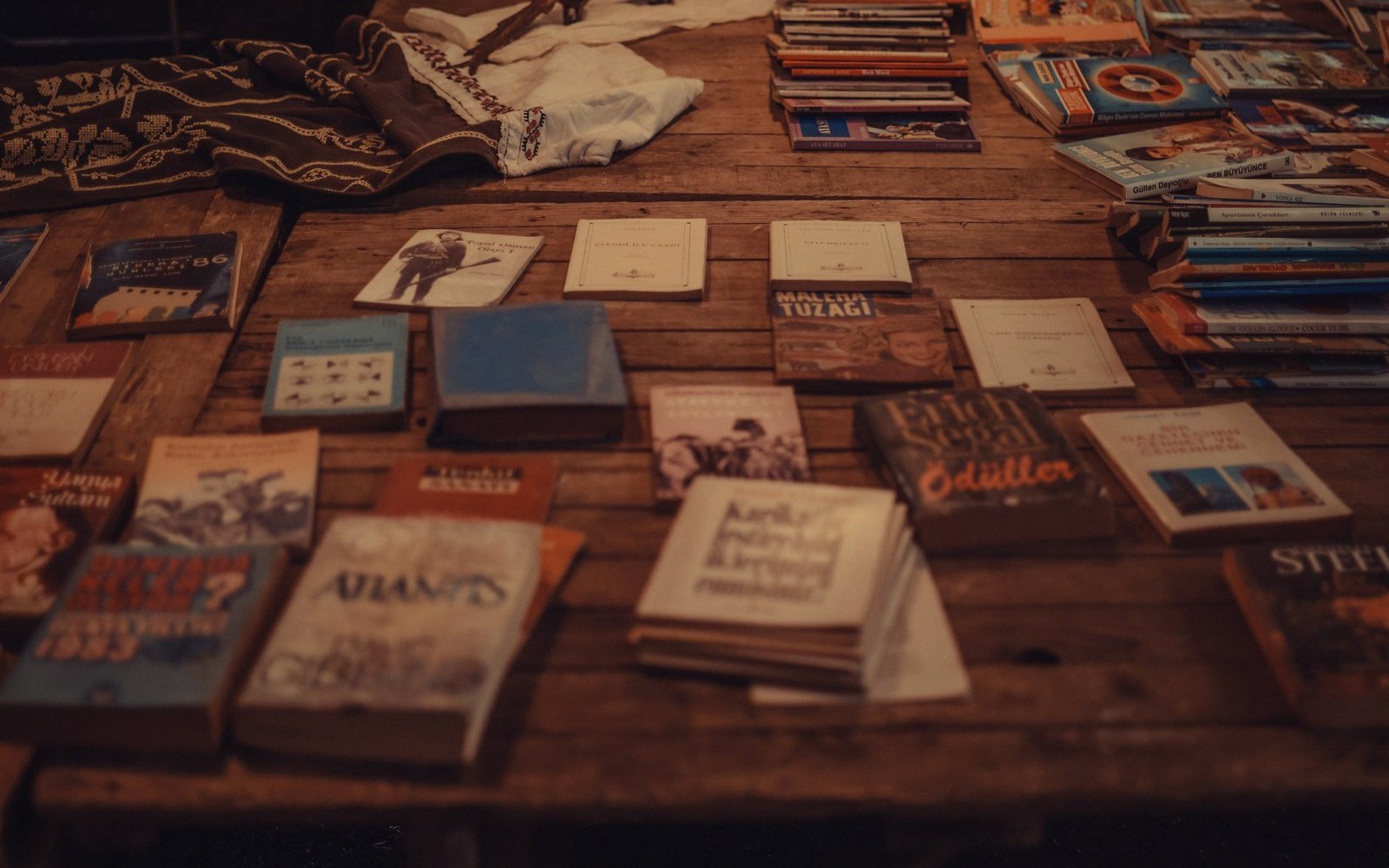
What the yellowback did structurally was accelerate the three-decker's decline. It demonstrated that a single-volume reprint at a low price point could sell in large numbers through a retail channel that libraries did not control. Readers who might never enter a circulating library — travellers, the lower-middle classes, people without London accounts — bought yellowbacks by the thousand.
The format quietly educated the market for what Allen Lane would later formalise: the cheap, single-volume paperback as a normal object of purchase rather than a lending institution's property.
From the record
Chronology
- 1848W. H. Smith begins installing station bookstalls
- 1850s onwardsyellowback format established and expanding
- 1860speak of the format, riding the sensation-fiction boom
- Early 1900sformat effectively defunct
Yellowbacks largely disappeared by the early 1900s, killed by falling production costs that made proper paperback covers viable and by the slow retreat of the railway journey as the defining reading occasion. But for roughly fifty years, that glazed yellow board was the clearest signal in British publishing that a book was made to be consumed, not kept.