Formats · Entry B
Folio, quarto, octavo
The format is how many times the sheet was folded, which sets the page size, the price and who the book was for.
- Section
- I · Formats
- Mark
- Signature B
- Filed by
- Folio to octavo, and what the fold decides.
- Next
- The Aldine octavo
 PL. B
PL. BFold the sheet once, twice, three times: that decision sets the page, the price and the audience before a word is read.
The sheet and the fold
Every page in a pre-industrial book begins as a single large sheet of handmade paper. Fold it once and you get two leaves — four pages — of a format called folio: large, imposing, expensive. Fold it again, and each leaf halves to give four leaves, eight pages — a quarto. Fold it a third time and you have eight leaves, sixteen pages — an octavo. The number in the name is the number of leaves per sheet, and the sequence governed European book production from the incunabula onwards.
Size mattered not just aesthetically but economically. Paper was the biggest single cost in any print run, and larger formats required proportionally more of it. A folio was inherently a prestige or reference object: Bibles, legal texts, encyclopaedias, the great atlases. Quartos sat in the middle tier — scholarly works, plays in their first editions, books intended to last on a shelf. Octavos were built for use, for travel, for the hand rather than the lectern.
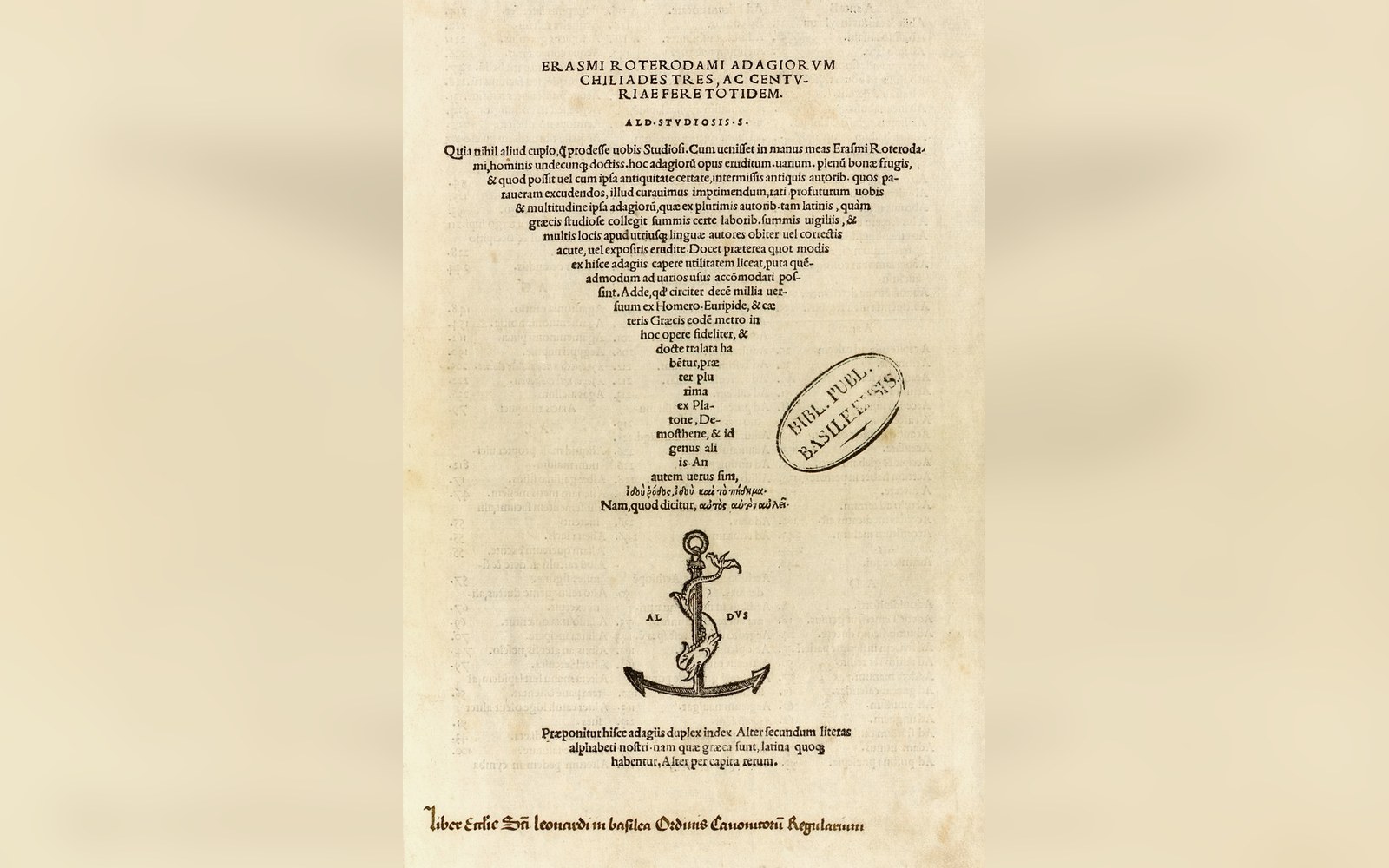
The precise dimensions of any given format depended on the dimensions of the original sheet, which varied by mill, by region and by century. A Georgian octavo is not the same size as a Venetian one. What remained constant was the logic: each fold halved the previous leaf, and every leaf from the same sheet was a signature, a gathered section sewn through the fold. The physical structure of a codex is just that logic made tangible.
The fold as a cultural decision
When Aldus Manutius issued his first pocket-sized classical texts through the Aldine Press in Venice in 1501 — cut and typeset by Francesco Griffo — the choice of octavo was a statement about readership. Learned texts had always been folios or quartos; putting Virgil into a small, affordable octavo meant a student could carry it, a merchant could buy it without ruin, a humanist could own the whole series. Format had shifted from monument to tool.
From the record
How the fold works
- Folio
sheet folded once: 2 leaves, 4 pages; the largest standard format
- Quarto
folded twice: 4 leaves, 8 pages; mid-size, scholarly or prestige
- Octavo
folded three times: 8 leaves, 16 pages; the standard literary and trade format
- Signature
the gathered section of leaves sewn through the fold, fundamental to binding structure
That shift proved irreversible. The octavo became the default for literary prose across the eighteenth and nineteenth centuries. When Chapman & Hall's serialised parts of The Pickwick Papers were eventually gathered into volume form, it was an octavo. The three-decker novels that Mudie's Select Library bought in bulk through the mid-Victorian decades were octavos — just very expensive ones. The format itself was neutral; the price point, the binding and the publisher's decisions attached the social meaning.
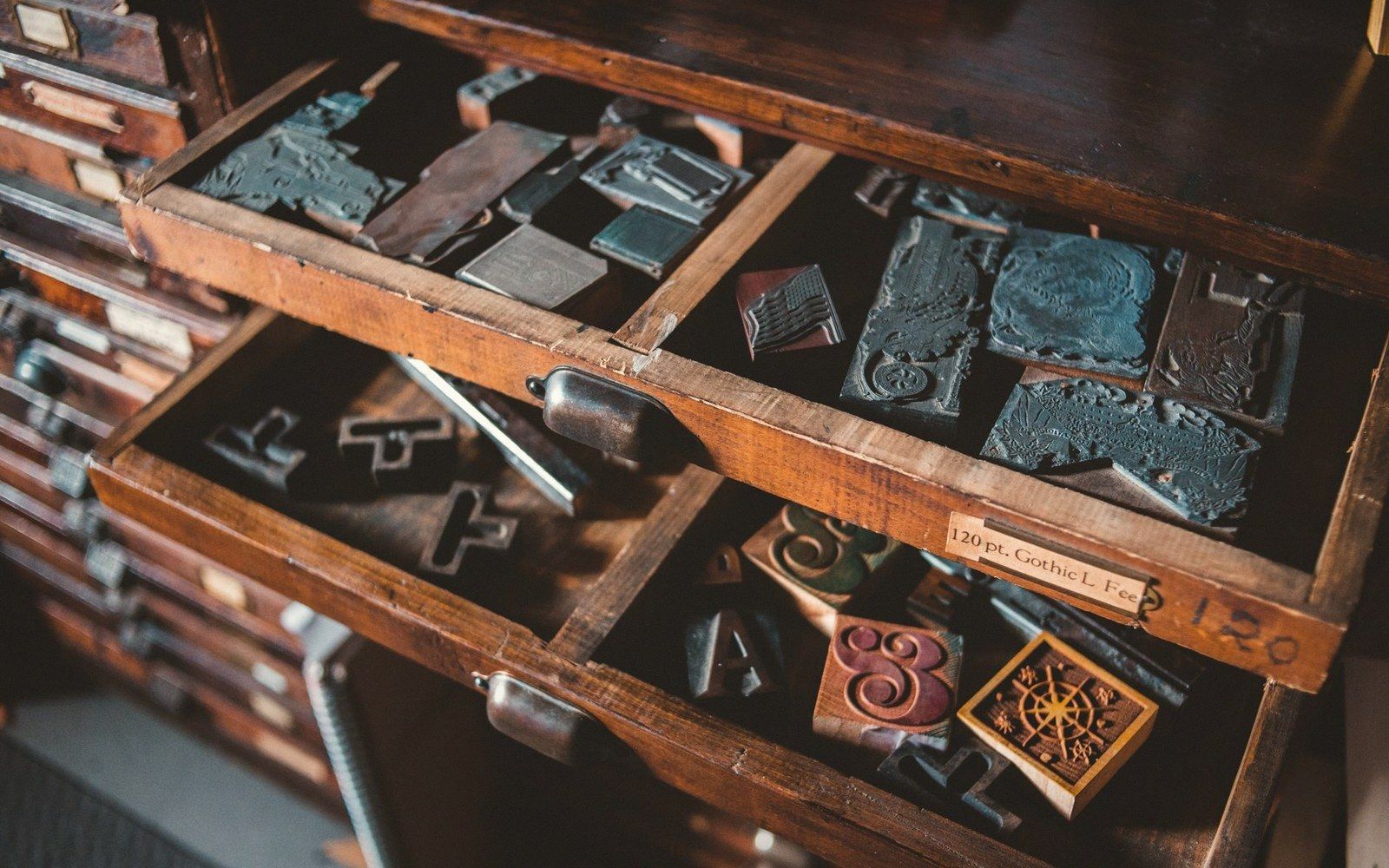
The quarto retreated, over time, into fine printing, drama, poetry collections and anything where the wider measure suited the typography or the prestige. The folio survived in reference publishing, in newspapers' broadsheet ancestors, in art books where the image required room. Each format found, or was pushed into, its proper function.
From the record
Chronology of format use
- 1501Aldine Press, Venice: Aldus Manutius and Francesco Griffo put classical texts into octavo for the first time at scale
- Mid-Victorian decadesoctavo remains dominant, even for three-volume novels; prestige encoded in price and binding, not format
- Presentmachine-made paper and offset printing still produce signature-folded sections; the octavo proportion persists in mass-market publishing
What the fold still does
The logic has outlasted the handmade sheet. Machine-made paper arrives in reels or cut stacks, and modern offset printing works on large parent sheets that are still folded and guillotined into signatures. A mass-market paperback is almost always an octavo-proportion page, because that proportion fits the human hand, fills a standard print forme efficiently, and has been optimised by five centuries of production. The measure — the width of the text column — is calibrated against the resulting page size, which is calibrated against the original fold.
Folio, quarto, octavo are not just historical labels. They are the vocabulary for a set of constraints that still determine how a book feels: how heavy it is, how the eye tracks across the line, whether you need both hands or one. The fold was decided before the type was set, and everything that follows — cost, readability, who buys the book — follows from that fold.