Binding · Entry S
Boards and cloth
Publisher's cloth arrives in the 1820s and the binding stops being the buyer's job.
- Section
- VI · Binding
- Mark
- Signature S
- Filed by
- Sewn, cased, glued.
- Next
- Sewn and cased
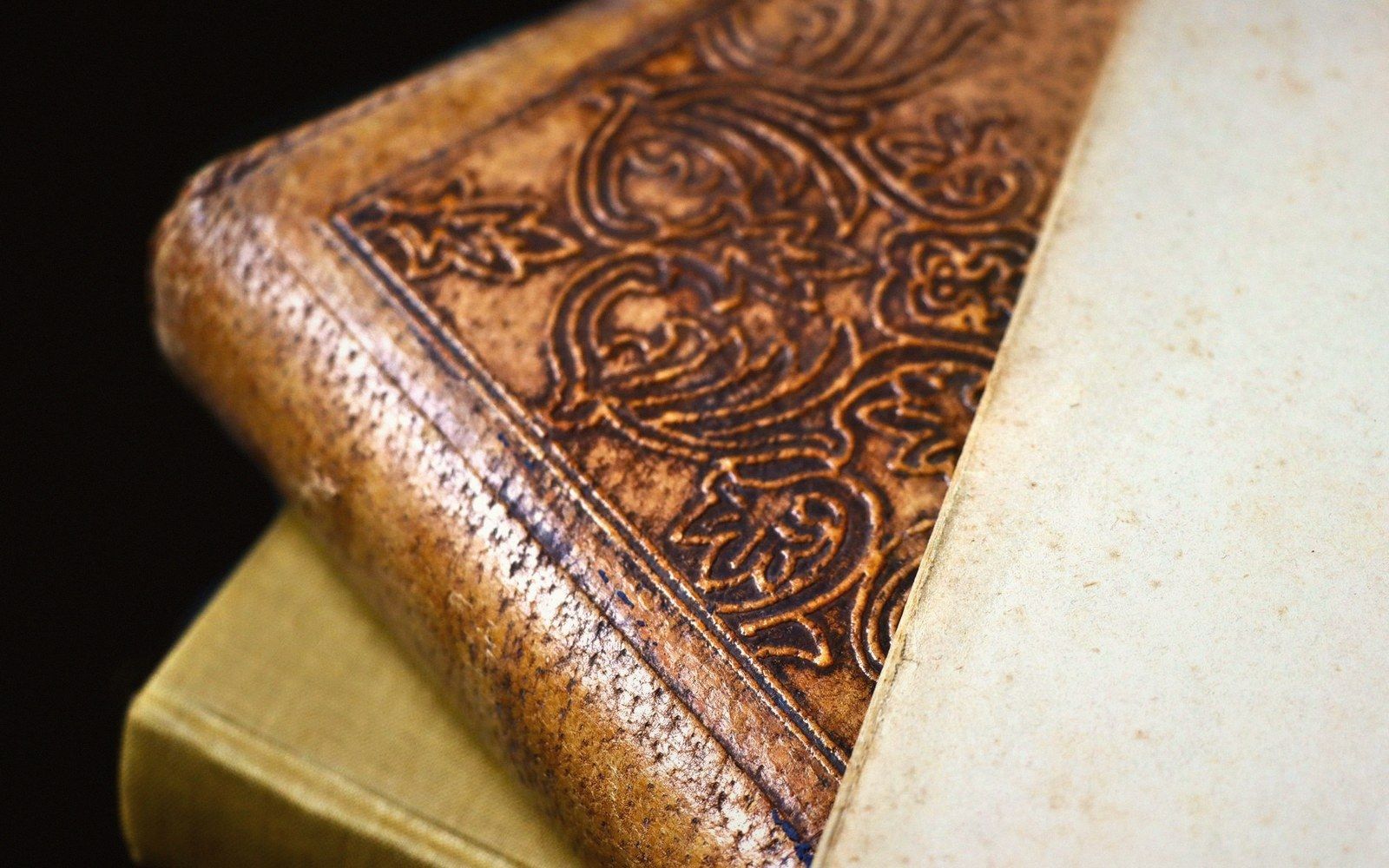 PL. S
PL. SWhen the bookseller stopped calling the binder
Before the 1820s, a new book arrived at the shop as a set of folded sheets, loosely stitched into plain paper wrappers. Binding was the buyer's business: you took the sheets to a trade binder, chose your leather and your tooling, and paid separately. The book's physical form was a private commission, which is why surviving copies of the same edition can look entirely unlike each other.
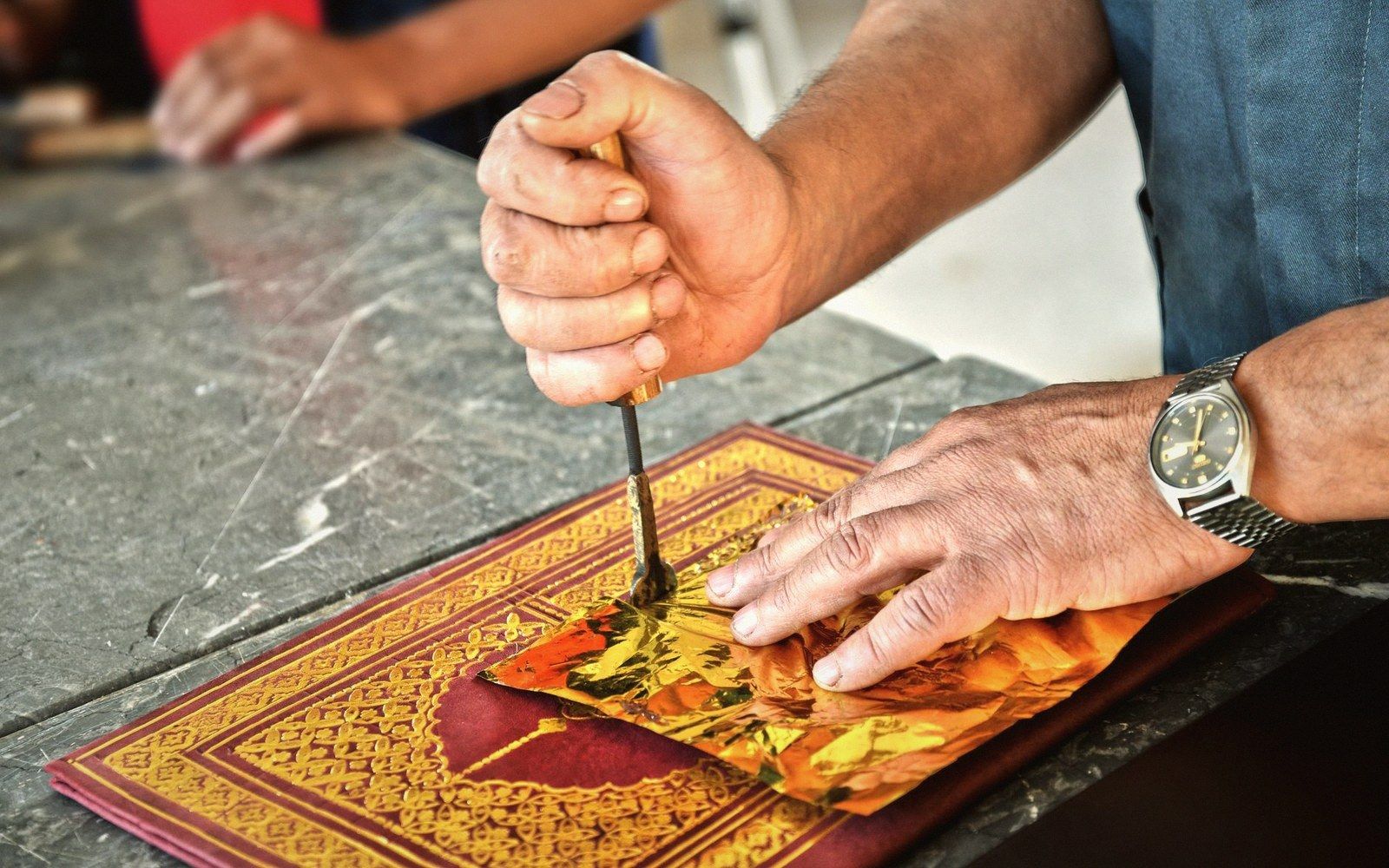
What changed that was publisher's cloth — a trade binding issued uniformly by the publisher, applied before sale, at a price folded into the book's. The transition happened quickly in Britain across the 1820s and 1830s, driven partly by the rise of the annuals and gift books that needed to look presentable on a drawing-room table without the buyer lifting a finger. Cloth — usually a starched, embossed cotton — was cheaper than leather, could be blocked with a brass die in a press, and allowed a publisher to establish a house look across an entire list.
The physical structure beneath that cloth was the sewn and cased book: signatures sewn through the fold, the sewn text block rounded and backed, then slipped into a separately made case of boards covered in cloth and stamped with title and author. The case is attached with endpapers and a glued super — a strip of open-weave fabric — bridging block and board. A well-made case binding, opened flat, will not break at the spine; the thread carries the stress, not the glue.
The standardisation had immediate commercial consequences. Publishers could now issue a recognisable object, advertise a consistent product, and — crucially — refuse to supply sheets to buyers who might bind cheap. Mudie's Select Library, which by mid-century was buying new fiction in bulk, worked with publishers on format and finish, and the three-decker novel was priced partly on the assumption that its case binding represented value the subscriber was borrowing rather than owning.
From the record
How the structure works
- Signatures sewn through fold
thread carries the stress across the spine
- Text block rounded and backed
spine given a convex curve before casing
- Super
strip of open-weave fabric glued over the spine, bridging block to boards
- Endpapers
paste the case to the text block at front and back
- Case
boards and spine made separately, covered in cloth, then attached
From the record
Chronology
- Pre-1820sbuyer commissions binding after purchase; each copy unique
- 1820s–1830spublisher's cloth binding adopted in Britain, driven by gift-book trade
- Mid-centuryMudie's bulk purchasing assumes cased books as standard product
- Late 19th centurypublisher's binding is the default; trade binder becomes specialist
By the end of the nineteenth century, the publisher's binding was simply what a new book was. The craft binder persisted, as fine binders still do, for rebinding, restoration and luxury commissions — but the default had shifted permanently: the book you buy already knows what it looks like.