Binding · Entry Q
Sewn and cased
Signatures sewn through the fold open flat and survive; the case is attached afterwards.
- Section
- VI · Binding
- Mark
- Signature Q
- Filed by
- Sewn, cased, glued.
- Next
- Perfect binding
 PL. Q
PL. QThe book block is made first, the cover made separately — the join between them is both structural and economic.
Why the Signatures Come First
A book sewn through its signatures is one of the more durable objects printing has produced. The process begins before binding touches it: sheets of paper are folded and nested into gatherings — signatures — typically of eight, sixteen or thirty-two leaves depending on how the sheet was imposed. A needle and thread then passes through the fold of each signature and links each one to the next, usually over a set of tapes or cords running perpendicular to the spine.
Because the thread anchors into the paper at the fold rather than at a trimmed edge, the pages can open almost flat without stress, and the structure distributes any tension across the whole sewn block rather than concentrating it at a single glued line.
This matters in use. A sewn book opened repeatedly at the same place — a dictionary, a well-read novel, a heavily consulted reference — does not crack at the hinge the way a book held together only by adhesive will eventually do. The difference that glue alone makes becomes clear when a paperback begins shedding pages after fifty readings: the text block was never sewn, and the adhesive, once it fatigues, has nothing to fall back on.
Casing In: The Cover as a Separate Object
What makes the modern cased hardback distinctive is that the cover — the case — is not built onto the book block. It is built separately and then attached. Boards, usually of greyboard or a similar compressed material, are cut to size, covered in cloth or paper, and given a paper lining on the inside before any book block comes near them.
Only then, in the final stage called casing-in, is the sewn and trimmed block attached: endpapers pasted to the inside faces of the boards, the spine glued to a strip of mull — an open-weave fabric — that bridges block and case.
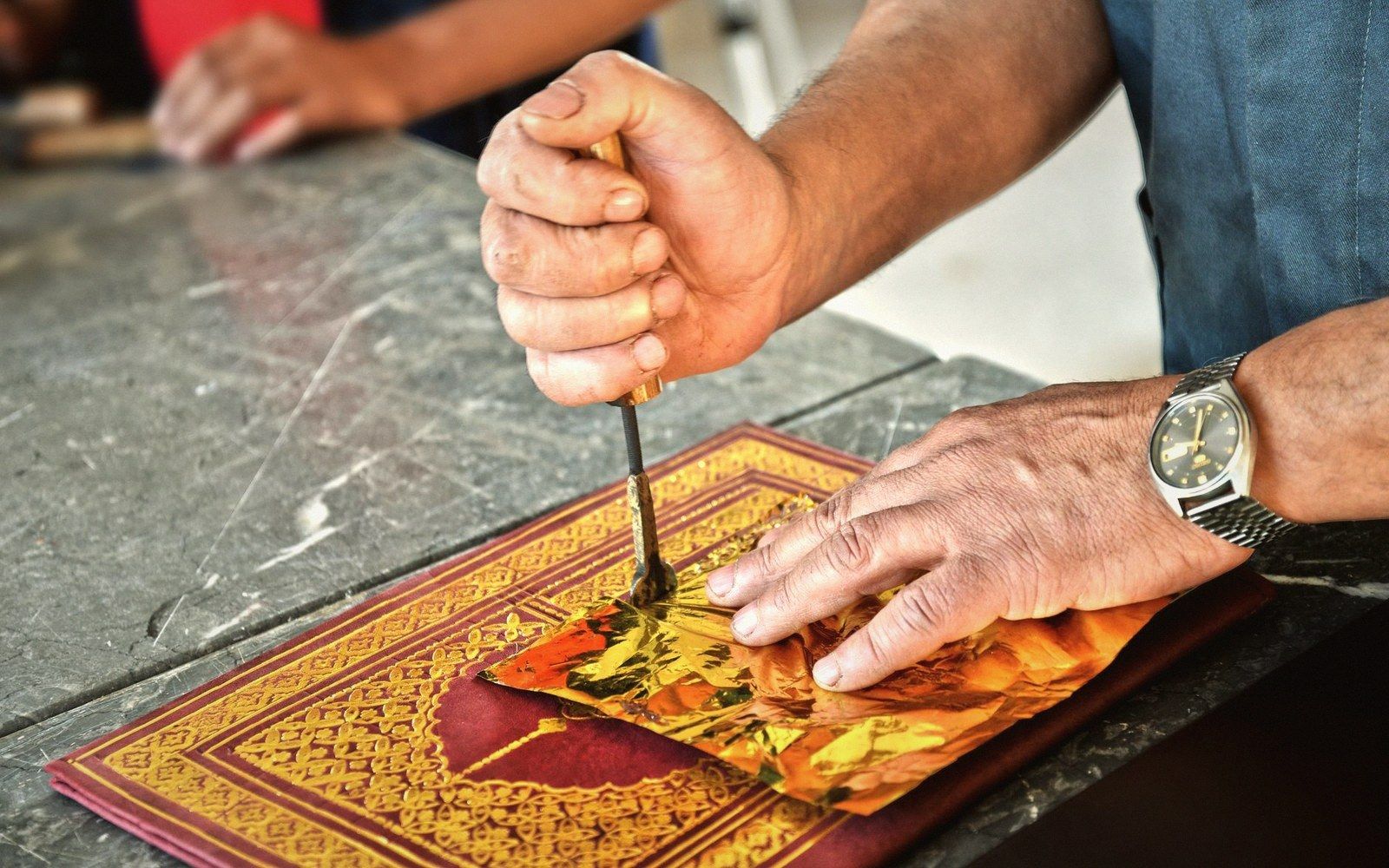
The economics of this separation are as important as the mechanics. A publisher manufacturing a large edition can run the case-making and the sewing through entirely separate workflows simultaneously, bring them together only at the finish, and — crucially — recase a damaged copy without rebuilding the block. The distinction between the book and its cover, which feels almost philosophical when you describe it, is in practice a factory efficiency.
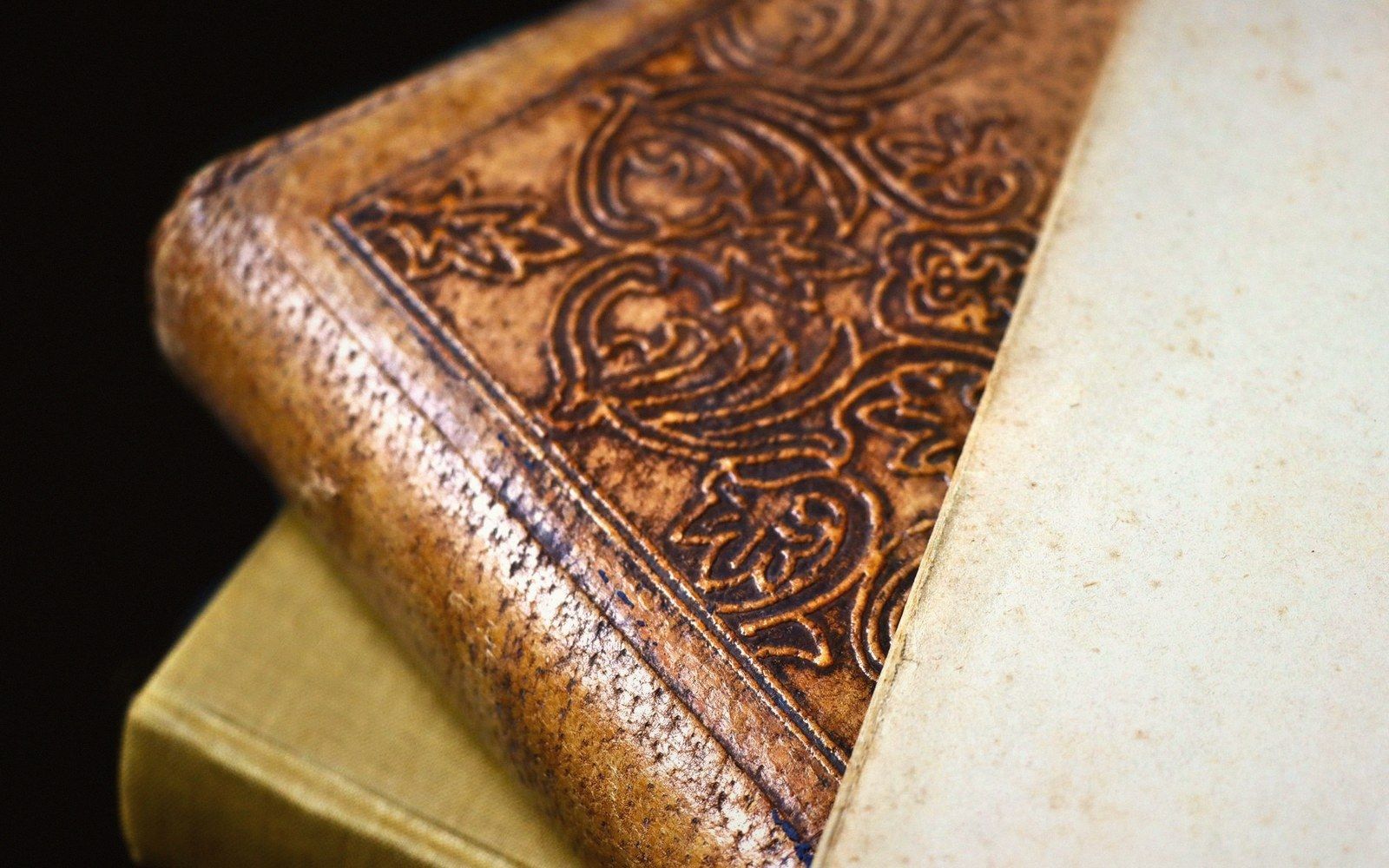
Publisher's cloth, which established itself in the 1820s and 1830s, made mass case binding possible: before then, binding had been the buyer's business, not the publisher's. Once publishers began issuing books already cased in a uniform edition cloth, the structure described here became the standard. By the second half of the nineteenth century, a cased sewn hardback was the expected form for any book sold at retail price.
What the Structure Tells You About a Book
Examining a book's binding tells you a good deal about its intended market and the period it comes from. Look at the spine of an old hardback with the covers opened wide: if you can see the individual signatures and the thread that runs through them, the book was properly sewn. If the spine is solid and slightly rough with dried adhesive, it was almost certainly an unsewn binding from the outset.
The number of leaves per signature is a further clue to the economics of production. Thinner signatures — eights rather than thirty-twos — give a more flexible spine and are sometimes found in finely made editions where the paper stock is heavy. Thicker signatures cost less to sew, since there are fewer joins, and are typical of cheaper trade production.
The running heads and page numbers visible at the top of each leaf depend on having a correctly imposed signature underneath: mis-imposition shows up as a signature where the page numbers skip or reverse, evidence that something went wrong at the press before the binder ever saw the sheets.
From the record
How the structure works
- Signature
a folded and nested gathering of leaves, the basic unit of sewn binding
- Sewing through the fold
thread passes into the fold of each signature, anchoring in the paper rather than at a cut edge
- Cords or tapes
transverse supports over which the thread is sewn, linking signatures to each other and to the case
- Mull
open-weave fabric strip glued across the spine to bridge the sewn block and the boards
- Casing-in
the final step: endpapers pasted to boards, block and case joined
- Greyboard
compressed board material used for the stiff covers of a cased hardback
A well-made sewn and cased book is, in the end, the result of at least two distinct craftsmen — or their mechanical equivalents — working in parallel and meeting only at the final press of the casing-in machine.