The Page · Entry W
Running heads and apparatus
Headers, folios, footnotes and the index — navigation invented piece by piece.
- Section
- VII · The Page
- Mark
- Signature W
- Filed by
- Margins, spacing and the eye.
- Next
- Word spacing
 PL. W
PL. WThe navigation layer the reader barely notices
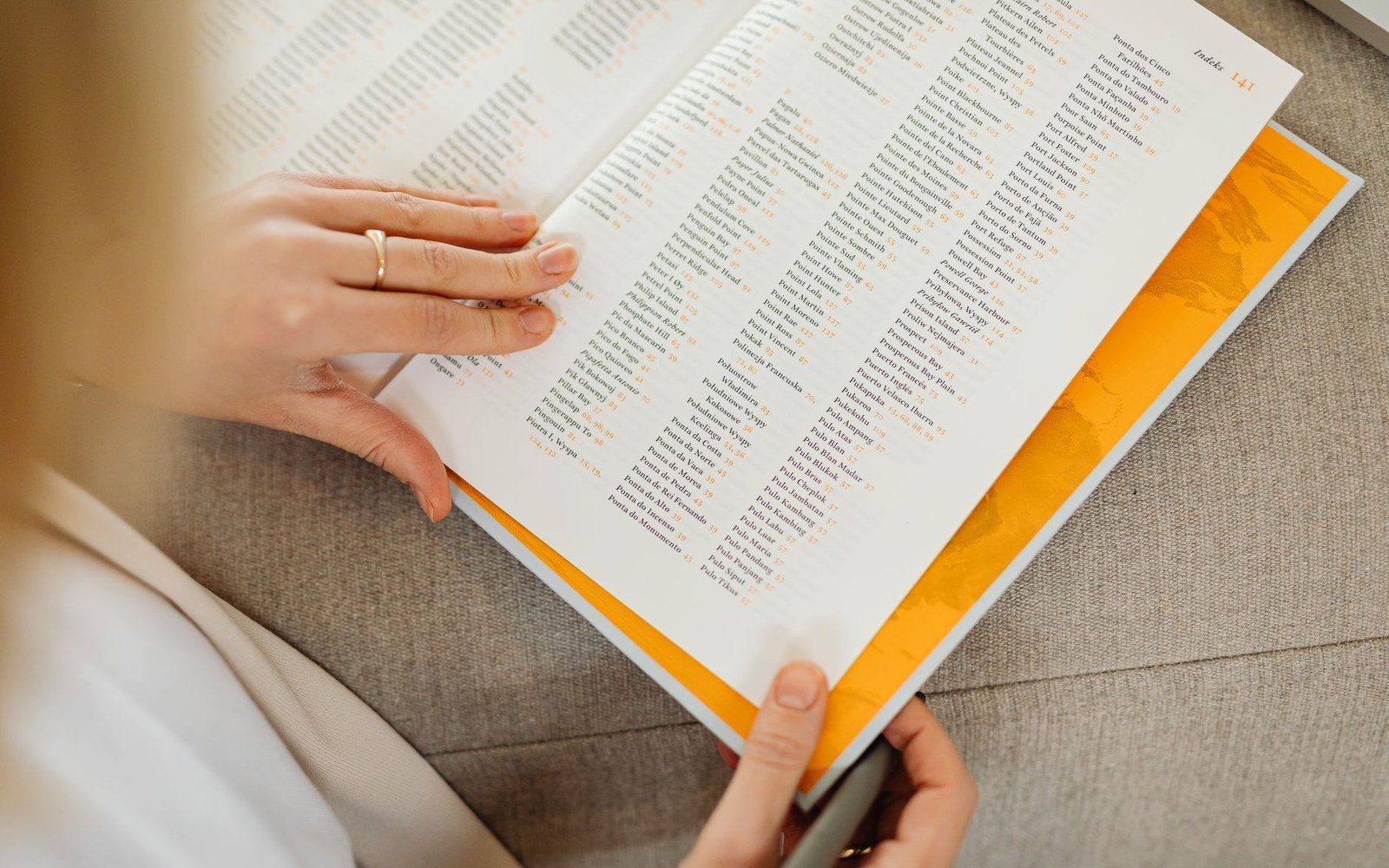
A page of text carries more than prose. Above it sits the running head — the line at the top that repeats the book's title or current chapter name — and below the text block, the folio, the page number that makes any return journey possible. At the foot of the column, a footnote may interrupt the main text with a qualification or source. At the back, an index converts the whole volume into a searchable object. None of this existed from the start; each element arrived when readers needed it badly enough.
Built up over centuries
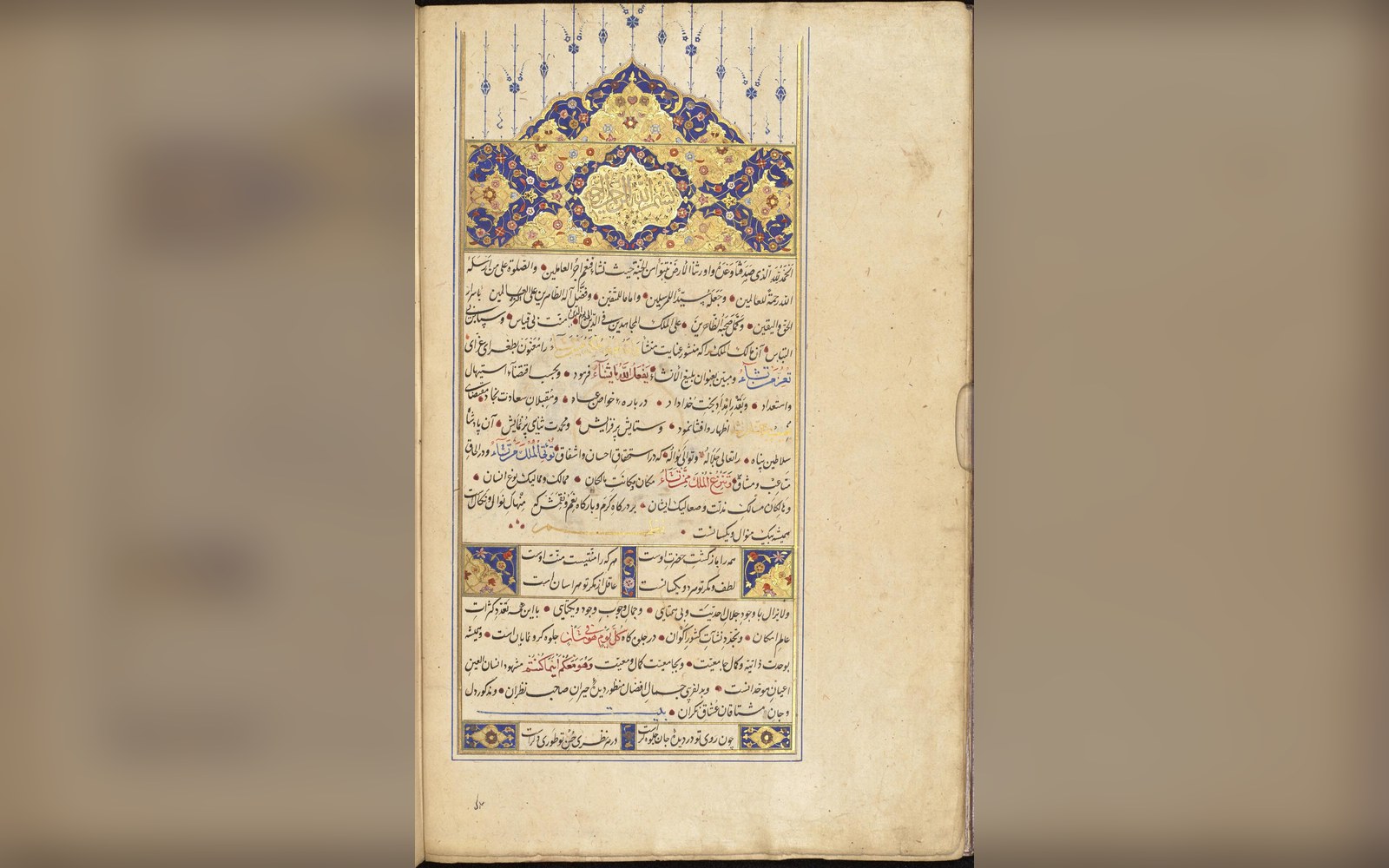
Medieval manuscripts commonly ran without page numbers. The reader worked sequentially, or located passages by incipit — the opening words of a section — because nothing else was guaranteed to survive copying. The folio as a numbered leaf (Latin folium, leaf) appeared consistently only with print, because the press reproduced every copy identically, making a number permanently reliable. Early printers numbered leaves rather than pages, so each leaf carried a single number for both its sides. Page-by-page numbering came later, once readers trusted it.
The running head — set in a smaller size or a different weight above the measure, the width of the text column — let a reader flip to a chapter without an index. Compositors set it separately for every opening, pulling the relevant chapter title from copy. The folio usually sat alongside it, though conventions varied: centred, outer corner, below the text block. The Aldine Press in Venice standardised much of the surrounding apparatus for classical texts in the early sixteenth century, and those conventions spread.
Footnotes required the compositor to calculate in advance how much foot-margin to reserve on each page — a discipline that became sharper once hot metal composition set lines in rigid sequence with no room for rearrangement. An overlong note could cascade across openings in ways that disrupted the reading rhythm badly.
The index is the most labour-intensive piece of apparatus: compiled after the text is set, tied to page numbers that cannot shift, it is chiefly a product of the printed book, though a few medieval manuscripts had rudimentary indexes. A well-made index is a second, compressed reading of the work; a poor one is a list of names with almost no help attached. Together, running heads, folios, footnotes and index form the navigation layer — the part of the book that serves the reader looking for something rather than reading through.
From the record
How the parts fit the page
- Running head
the line above the text block, usually chapter title or book title, set at the top of each page
- Folio
the page number, conventionally at the outer corner or foot of the page
- Footnote
matter set below the text block at the foot of the same page as its reference mark
- Index
alphabetical apparatus compiled from final page proofs, unique to print
From the record
Chronology
- Medieval manuscriptsno page numbers; location by incipit (opening words)
- Early printleaf numbering (one number per leaf, not per page)
- Later printpage-by-page numbering, as identical reproduction made it reliable
- Sixteenth centuryAldine Press, Venice, establishes apparatus conventions for classical texts