Binding · Entry R
Perfect binding
Glue instead of thread — cheap, fast, and why some paperbacks shed pages.
- Section
- VI · Binding
- Mark
- Signature R
- Filed by
- Sewn, cased, glued.
- Next
- Sewn and cased
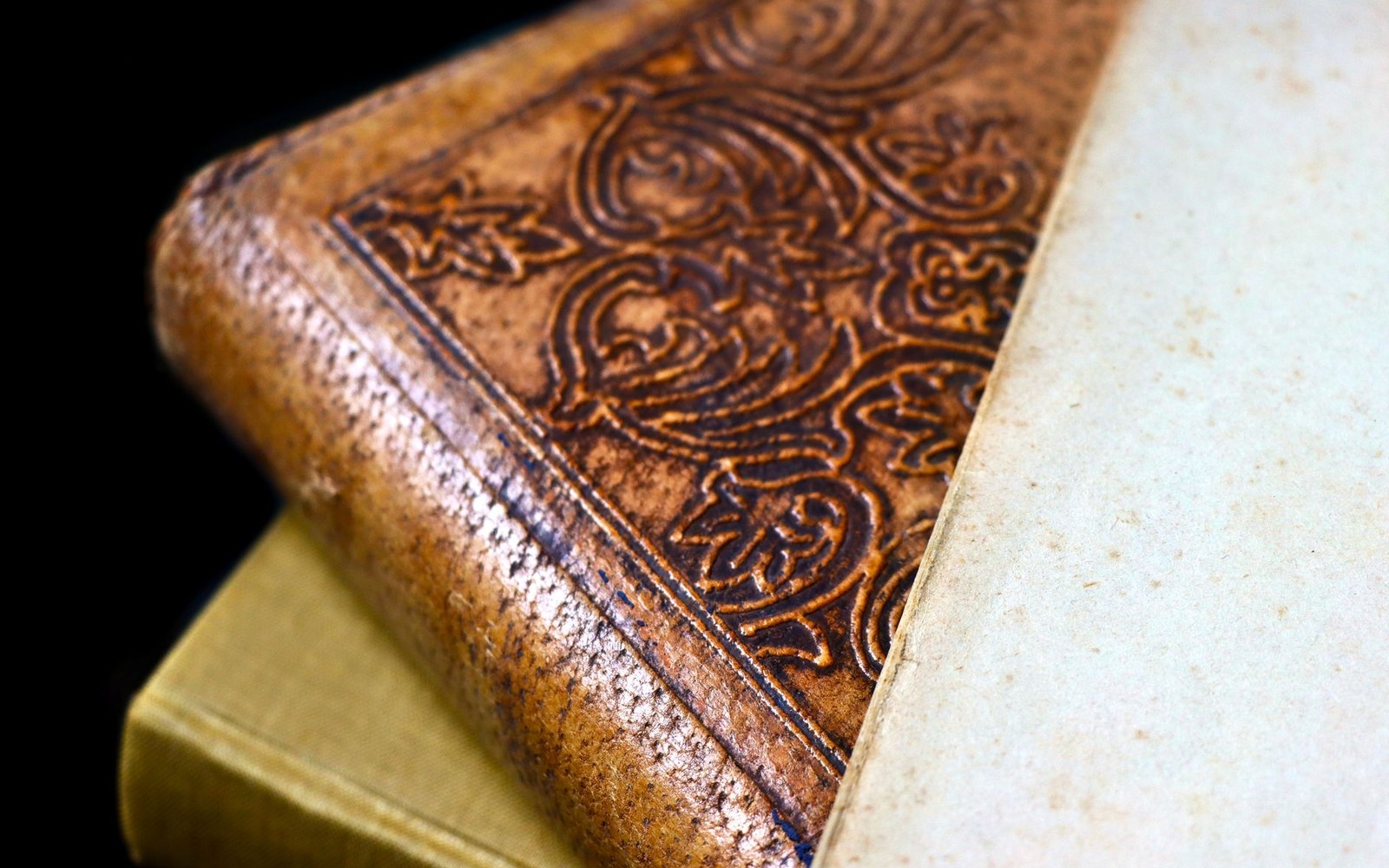 PL. R
PL. RThe glue that holds a cheap paperback together — or doesn't
A sewn book opens flat and survives decades of rereading. A perfectly bound book costs a fraction as much to produce and may start shedding pages before you finish it. That tradeoff is written into every mass-market paperback on the market.
The term is slightly misleading. "Perfect" here does not mean flawless — it derives from the older sense of perfected, meaning completed, finished off. The process is straightforward: the printed and folded signatures are gathered, their spines are ground or notched to break up the folded edge, and a strip of flexible adhesive is applied directly to the roughened surface. A paper cover is then wrapped around and pressed against the wet glue. The spine is flat. There is no thread anywhere in the book.
Speed and cost explain the method's dominance. Hot metal composition already accelerated the front end of production; perfect binding accelerated the back end. Binding a book in signatures, sewing through the folds, rounding the spine, and attaching a case is skilled, sequential work. Applying cold PVA or hot-melt glue to a ground spine is not. A binding line can run far faster than a sewing machine, and it requires fewer trained hands.
The weakness is structural. Sewn and cased books hold because thread passes through each signature's fold — the binding mechanism is mechanical, independent of any adhesive. A perfect binding holds because glue grips individual fibres at the spine edge. Heat, humidity, and repeated flexing all attack that grip. Open a perfectly bound book too far, crack the spine, and the pages begin to separate from the block.
Some publishers mitigate this with notch binding — a pattern of grooves cut into the spine before gluing — which gives the adhesive more surface area to hold. It helps, but does not solve the underlying problem.
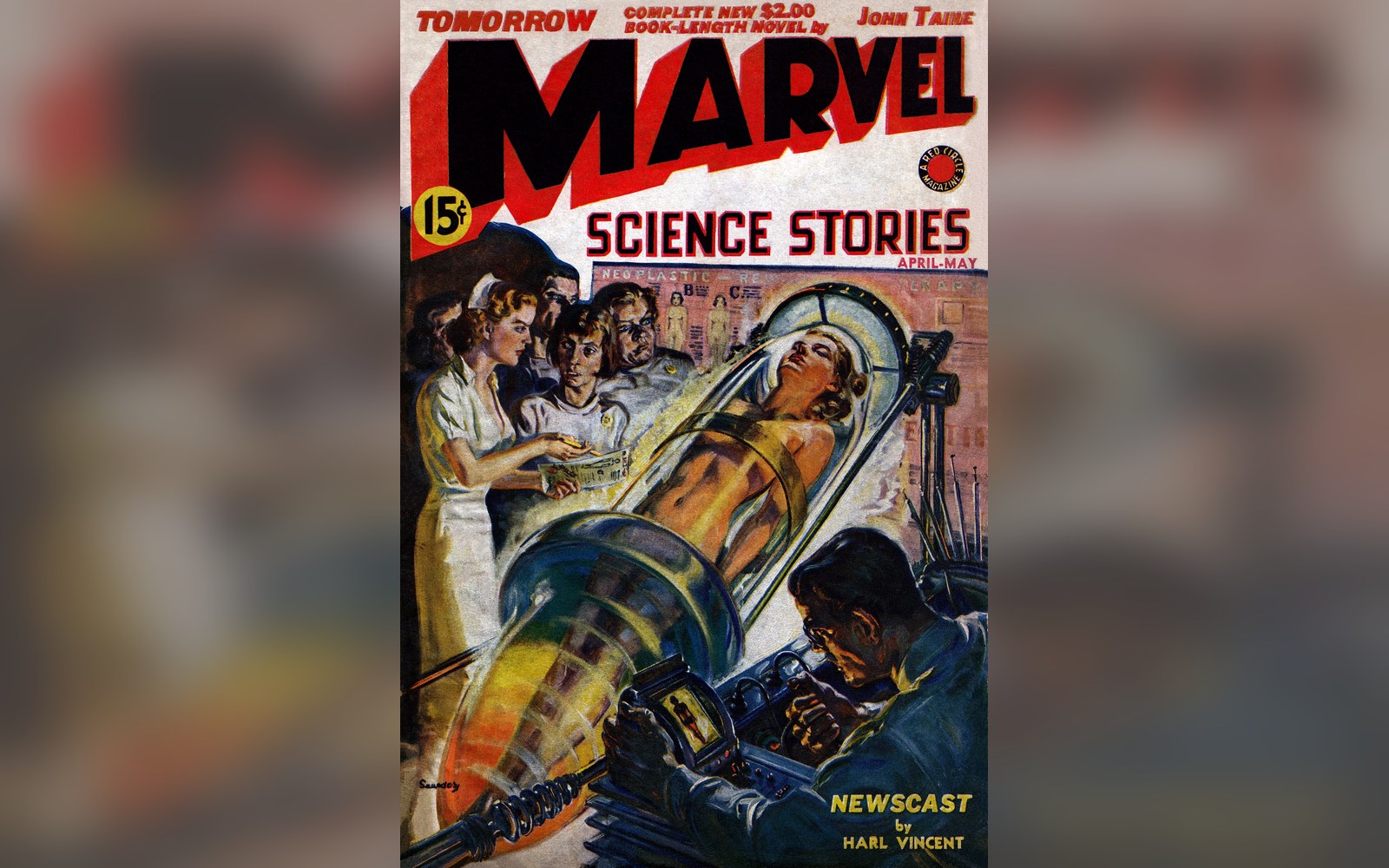
The format became commercially central in the mid-twentieth century as paperback publishers needed to produce enormous quantities at the lowest possible unit cost. Allen Lane's Penguin Books, launching from 1935, initially used a form of sewn binding; as print runs expanded and margins tightened, the industry moved steadily toward glue. By the 1960s and 1970s, perfect binding was the default for paperbacks on both sides of the Atlantic.
The visible sign is the flat spine with printed title and author — impossible on a rounded, sewn spine. It also made cover design slightly simpler, since the spine panel is a rectangle. What the format gave publishers in economy, it took back in longevity. A well-used perfect-bound paperback announces its age plainly.
From the record
How it works
- Perfect binding
spine of gathered signatures ground or notched, then glued; cover applied over the adhesive; no thread
- Signatures
folded printed sheets gathered in sequence before binding
- Notch binding
variant in which grooves are cut into the spine before gluing, increasing adhesive grip
- PVA / hot-melt glue
the two main adhesive types used; hot-melt sets fast; PVA more flexible when cured
- Flat spine
structural result of the process; enables the rectangular printed spine panel familiar on mass-market paperbacks