Price · Entry M
Paper and price
Paper is most of the cost, which is why format and price move together.
- Section
- IV · Price
- Mark
- Signature M
- Filed by
- What a book cost, and to whom.
- Next
- Ten titles at sixpence
 PL. M
PL. MThe material beneath the words
Paper has always been the largest single cost in book production, and that single fact explains more about how books look than almost any editorial decision. Before a compositor sets a line of type, before a binder cuts a cloth, the bulk of the budget is already committed — it is sitting in a stack of sheets.
This is why format and price move together. A folio folds the sheet once, yielding two large leaves; a quarto folds it twice, yielding four; an octavo folds it three times, yielding eight. The smaller the format, the more text fits on each sheet, and the fewer sheets are needed for a given text. Fewer sheets means lower cost. When Aldus Manutius launched his pocket-sized octavo classics at the Aldine Press in Venice from 1501, the format was not merely convenient — it was economically rational. Paper was scarce, expensive and central to the calculation.
The relationship held firm for centuries. In the nineteenth century, the three-decker novel — three volumes, generous type, wide margins — consumed paper at a rate that kept the retail price at thirty-one shillings and sixpence. That price made direct purchase impossible for most readers and made Mudie's Select Library, which bought in bulk and lent by the volume, the effective distribution mechanism for the form. The format dictated the economics; the economics dictated who read the books and how.
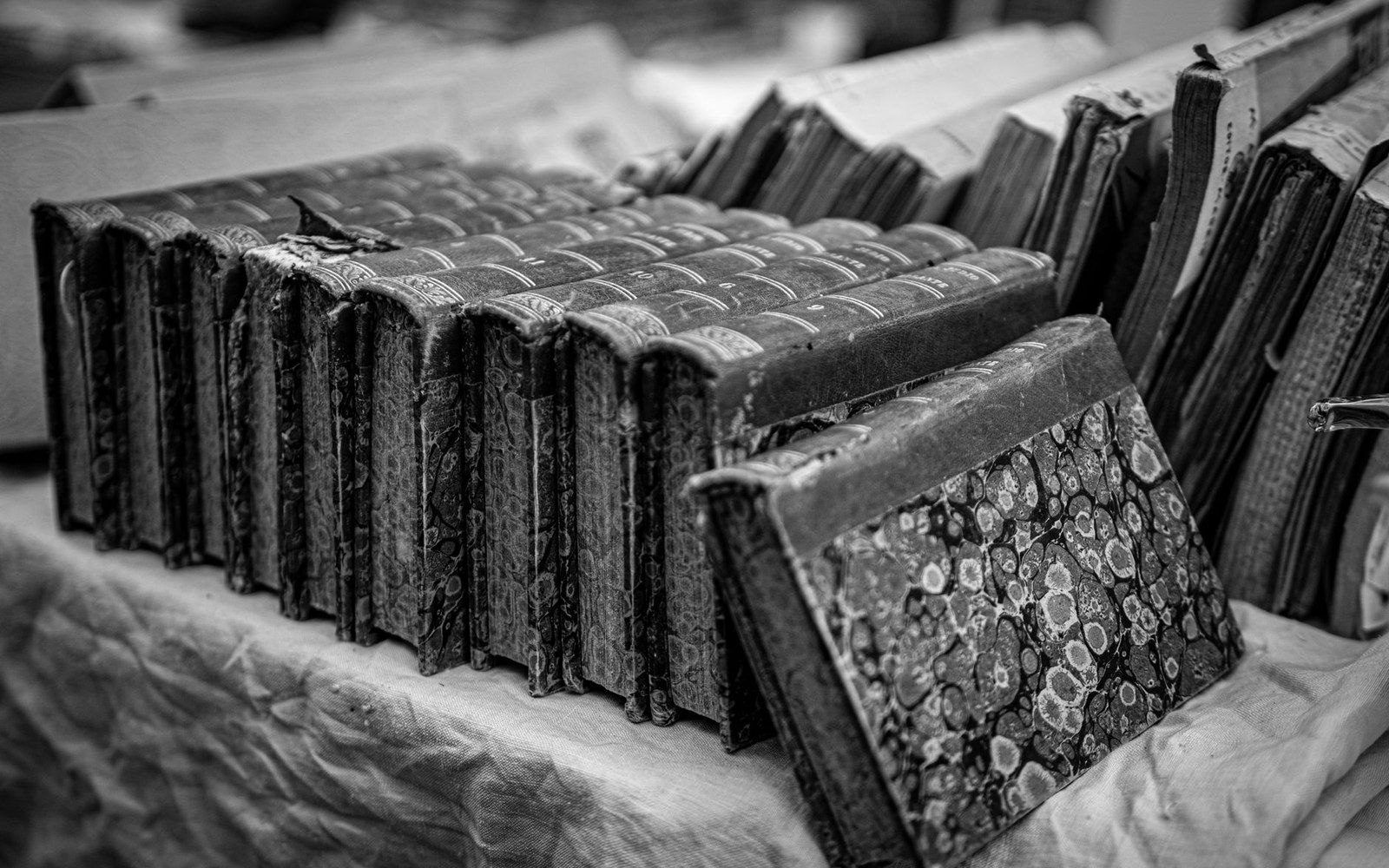
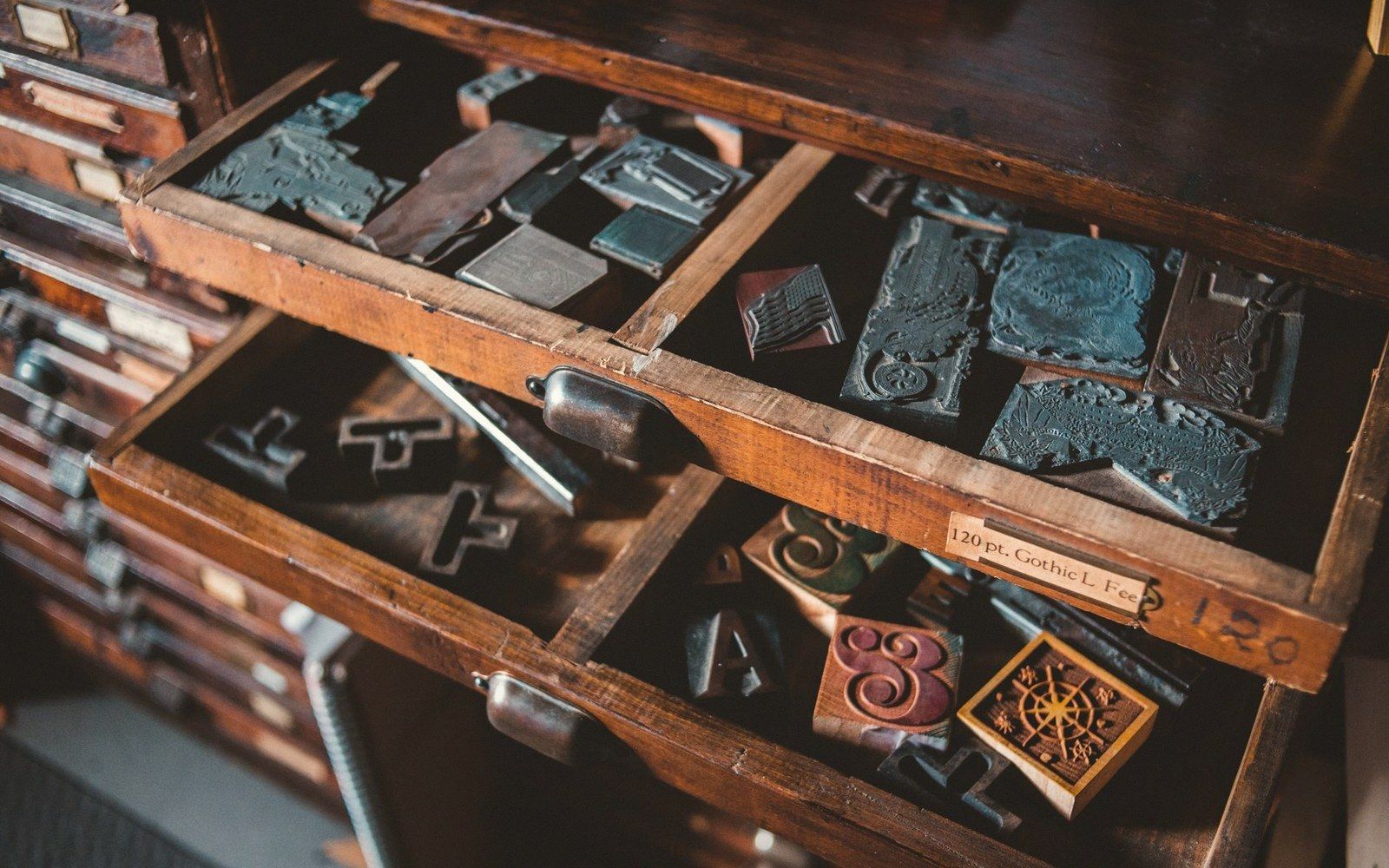
Cheaper formats required cheaper paper. The yellowbacks sold at railway stalls from the 1850s onward used thin, often woodpulp-based stock rather than rag paper. Woodpulp is acidic and browns and brittles with age, which is why surviving copies are fragile — but the trade-off was a price point that put a novel into the hands of a traveller for a shilling or two.
From the record
The economics in numbers
When Allen Lane set Penguin paperbacks at sixpence in 1935, the paper specification was tight: thin enough to keep the page count and the sheet count down, but robust enough for a book that would be read rather than displayed. The physical object was engineered around the price, not the other way around. It always has been: format follows cost, and cost follows the sheet.